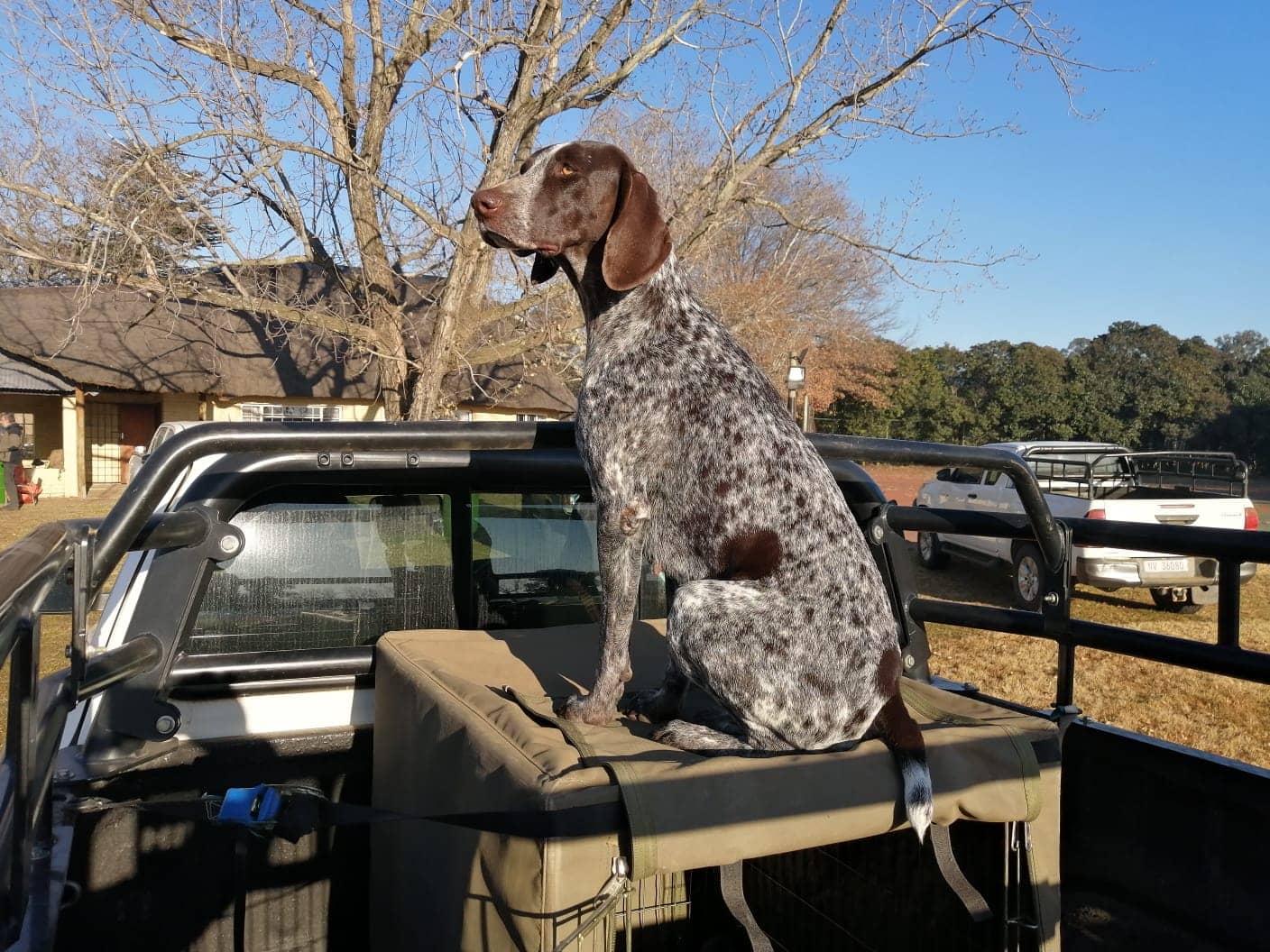
Why It Matters
There is no single correct diet for 'a GSP' — the right feeding approach depends on the individual dog: its age, body weight, body condition, activity level, the season, its health status, and whether it's working, resting, or breeding.
Feeding decisions made from a fixed recipe rather than the dog's actual condition are one of the most common, and most avoidable, welfare gaps in active-breed ownership.
The Principle
How To Do It
- Use a complete and balanced diet appropriate to the dog's current life stage (puppy, adult, senior).
- Reassess regularly, not just once — body condition, weight and activity level all shift with season and workload.
- Increase energy density and adjust protein/fat appropriately for genuinely hard-working or high-endurance dogs — but don't apply a 'performance diet' by default to every pet-line GSP that isn't doing that work.
- Track body condition visually and by touch — ribs, waist and abdominal tuck — rather than relying on weight alone (see Body Condition).
- Bring in veterinary or veterinary-nutrition input for puppies, dogs with health conditions, breeding animals, and any high-performance working dog.
Common Mistakes
- Feeding a fixed amount regardless of changes in activity, season or age.
- Applying a high-performance working diet to a dog that isn't doing that level of work.
- Judging condition by weight on a scale alone, without a body-condition check.
- Making significant diet or supplement changes without veterinary input, especially for puppies or dogs with health conditions.
When To Move On
Once you can assess your own dog's body condition confidently, move to Body Condition for the specific technique, and Hydration in the Veld if you're doing field work.
Weight · Body condition score · Food / diet · Activity level
Feeding and body-condition entries build a record over time in your GSP's profile — useful for spotting trends long before they become a problem.
Sources
- WSAVA — Global Nutrition Guidelines
- Purina Institute — nutrition for active, working and sporting dogs
Disclaimer: General guidance only, not a substitute for individual veterinary or veterinary-nutrition advice — especially for puppies, health conditions, breeding animals or high-performance dogs.