Why It Matters
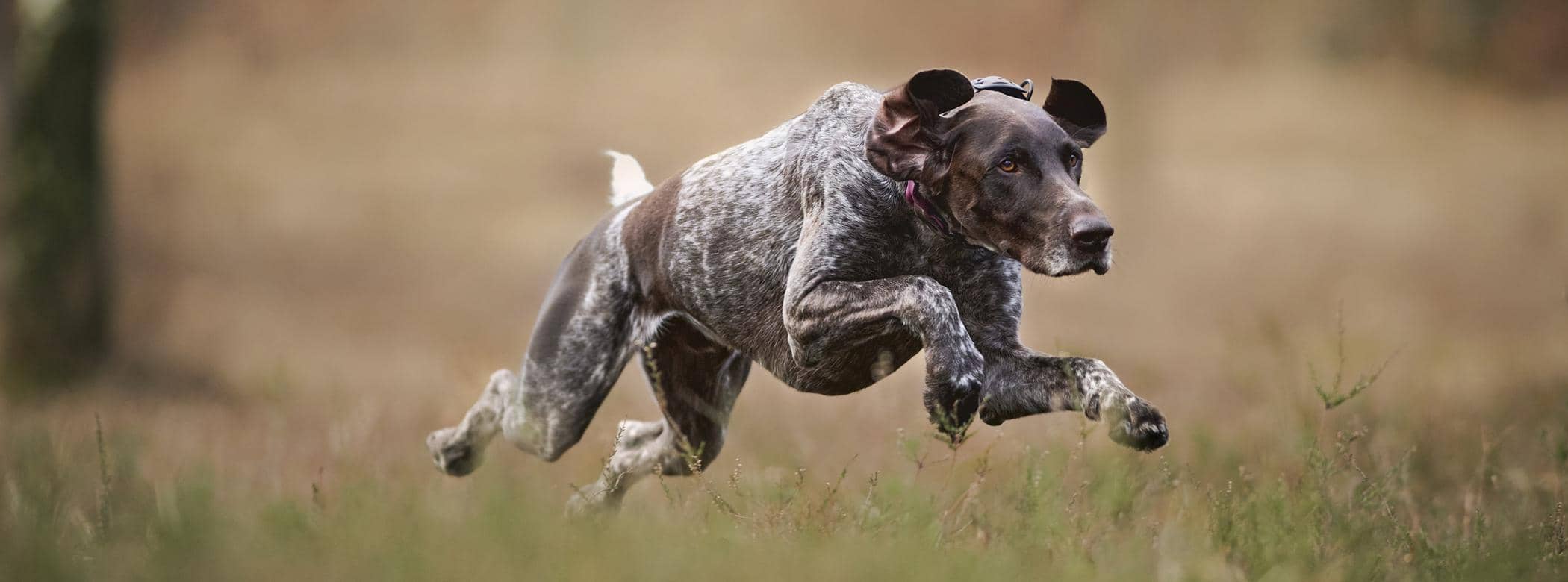
Early veld time isn't about training drills — it's about letting a young GSP build confidence, independence and nose use in open terrain, with you present but not constantly directing.
Dogs that only ever experience the outdoors as a series of commands tend to become handler-dependent rather than developing their own judgement in the field. Both matter — but this stage is about the second one.
The Principle
How To Do It
- Choose secure, low-risk terrain for early outings — away from roads, livestock and other hazards.
- Let the dog range and investigate within a safe radius rather than heeling the entire walk.
- Stay reasonably close and interested yourself — a handler who's engaged keeps the dog checking back in naturally.
- Keep sessions short at first and build duration gradually as fitness and confidence grow.
- Resist the urge to correct every distraction — this stage is about exposure and confidence, not obedience precision.
Common Mistakes
- Turning every veld outing into recall or obedience drilling.
- Choosing terrain with real safety risks before the dog has any recall foundation.
- Over-managing the dog instead of letting it use its nose and make choices.
- Skipping veld time altogether until 'formal training starts'.
When To Move On
Once the dog moves through open ground with visible confidence and checks in with you periodically without being called, you're building the base for range, search and — later — Understanding the Point.
Always check for snakes, ticks and grass seed hazards before and after veld time in South African terrain — a quick post-walk check is worth the habit (see Field First Aid / Post-Hunt Check).
Skill: Field exposure · Session date · Terrain notes
Field session dates and terrain notes feed your GSP's Field + Performance phase over time.