Why It Matters
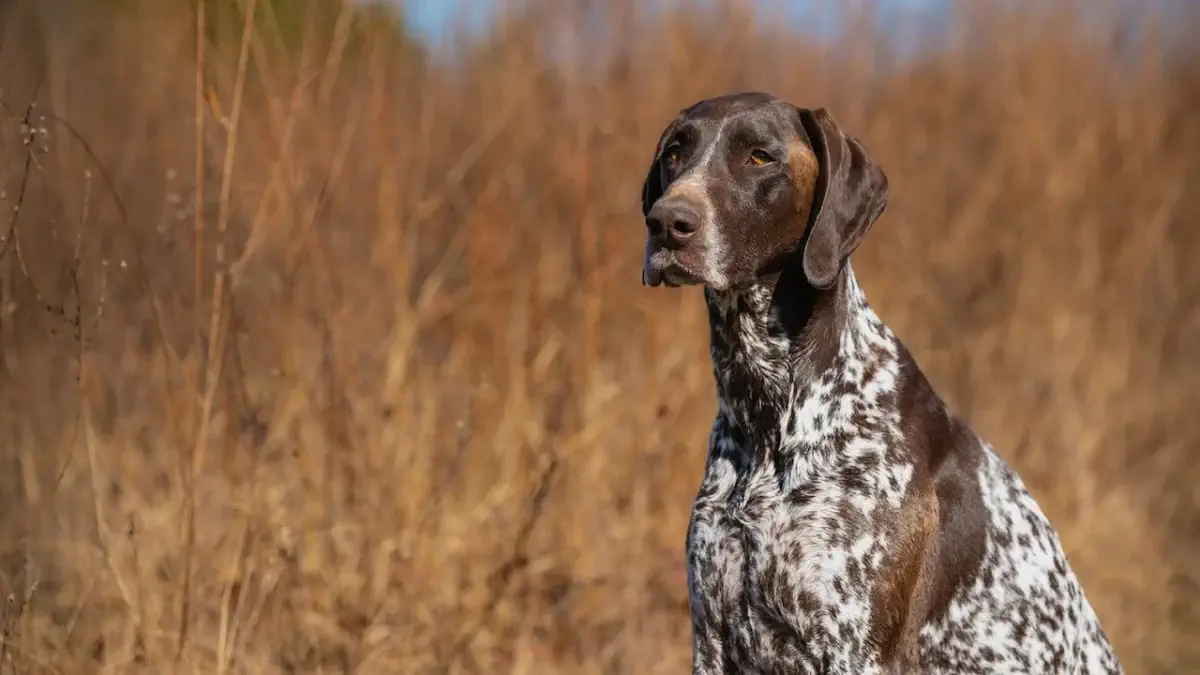
The German Shorthaired Pointer is an athletic, intelligent, highly driven versatile gundog. It was not bred to lie around a small garden — it was bred to search, point, track and retrieve, often for hours, in variable terrain.
That combination is exactly what makes the breed remarkable in the field, and exactly what makes it a poor fit for a home that can't give it real physical work, mental work and daily interaction. Getting this decision right, before a puppy arrives, is the single biggest factor in whether the relationship works.
The Principle
How To Do It
- Be honest about daily exercise. A young, healthy GSP typically needs well over an hour of real physical activity a day — running, field work, structured training — not just a lead walk around the block.
- Expect strong prey drive. A GSP that sees movement — birds, small animals, sometimes livestock — will often want to chase. This needs early, consistent training and secure containment, not hope.
- Budget for training. Obedience, recall and field foundations are not optional extras for this breed — they are what keeps a high-drive dog safe and enjoyable to live with.
- Check your fencing and containment before the dog arrives. A GSP that is under-exercised and under-stimulated will find its own outlet, and that outlet is rarely convenient for the household.
- Think about family life honestly. GSPs are typically affectionate and want close contact with their people — they don't do well left alone for long stretches, day after day.
- Separate 'I like how the breed looks' from 'I can live successfully with this dog's temperament and drive'. Those are two different questions, and only the second one should decide the purchase.
Common Mistakes
- Choosing the breed for its looks or reputation without researching temperament and drive.
- Assuming a GSP will 'calm down' significantly with age without any training investment.
- Underestimating exercise needs because the dog is well-behaved indoors after a walk (a tired GSP is a calm GSP — an under-exercised one usually isn't).
- Not checking garden security before bringing the puppy home.
- Buying on impulse from the first available litter rather than evaluating the breeding first (see What a GSP Was Bred to Do).
When To Move On
If you can honestly commit to daily physical and mental exercise, secure containment, and consistent training for the dog's working life — move on to understanding what the breed was actually bred to do, and how to evaluate a breeding before you evaluate a puppy.
South African GSP owners in particular need to plan around heat. Exercise timing shifts seasonally — early mornings and evenings in summer — and that's a real daily commitment, not a one-off adjustment.
Ownership stage · Household exercise capacity notes · Target start date
HOUND OS™ doesn't score 'suitability' — that decision is yours. Once you're ready, your GSP's profile starts with Identity, and this decision context can sit in your own notes.